


Pull weak optical signals out of the noise
Dual-phase lock-in detection from 1 mHz to 2 GHz with more than 120 dB of dynamic reserve, plus the scope, PID, and data logging, on one Moku.
Used in labs at the University of Washington, Intel Labs, DESY, and Humboldt University Berlin.
Why lock-in detection matters for optical experiments
In pump-probe, SRS, and laser spectroscopy experiments, the signal of interest is often a small fraction of the laser background. Recovering it cleanly depends on the modulation frequency, the filtering, and the rest of the detection chain.

Buried in laser noise
Laser intensity noise and 1/f drift obscure small signals at low frequencies. Moving to MHz modulation helps, but many lock-ins top out in the kHz range.

Too slow for fast modulation
Fast imaging and pump-probe need short time constants. A slow lock-in limits pixel rate and averages away fast changes in the signal.

Fragmented signal chains
Separate function generators, lock-in amplifiers, oscilloscopes, and PID controllers require external cabling, synchronization, and independent software, each adding noise pickup and setup time.
Modulate, detect, and stabilize on one device
Moku enables multi-frequency detection with up to eight simultaneous lock-in amplifiers on a single device. Demodulate at up to 2 GHz with low noise across multiple channels.
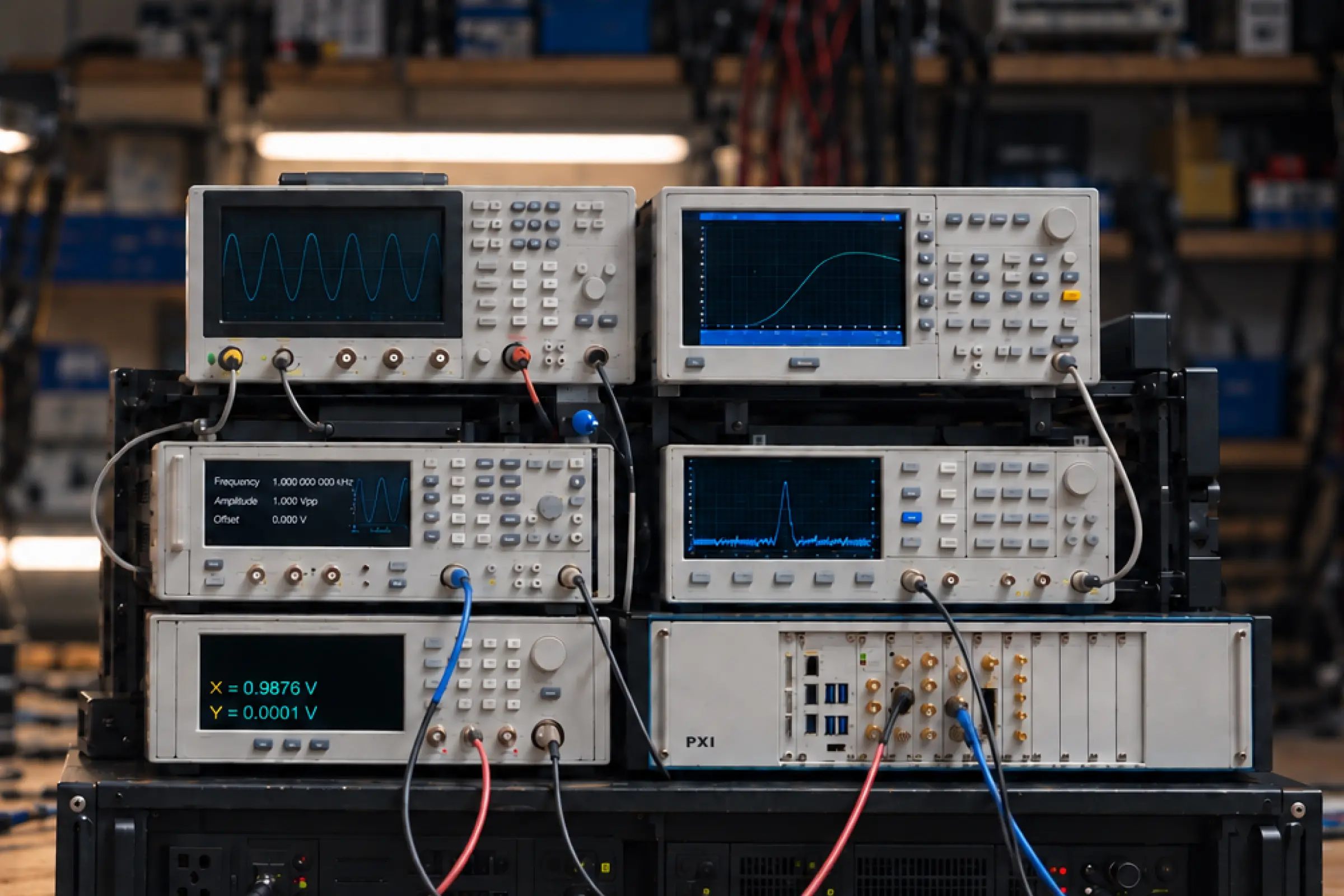
Before Moku
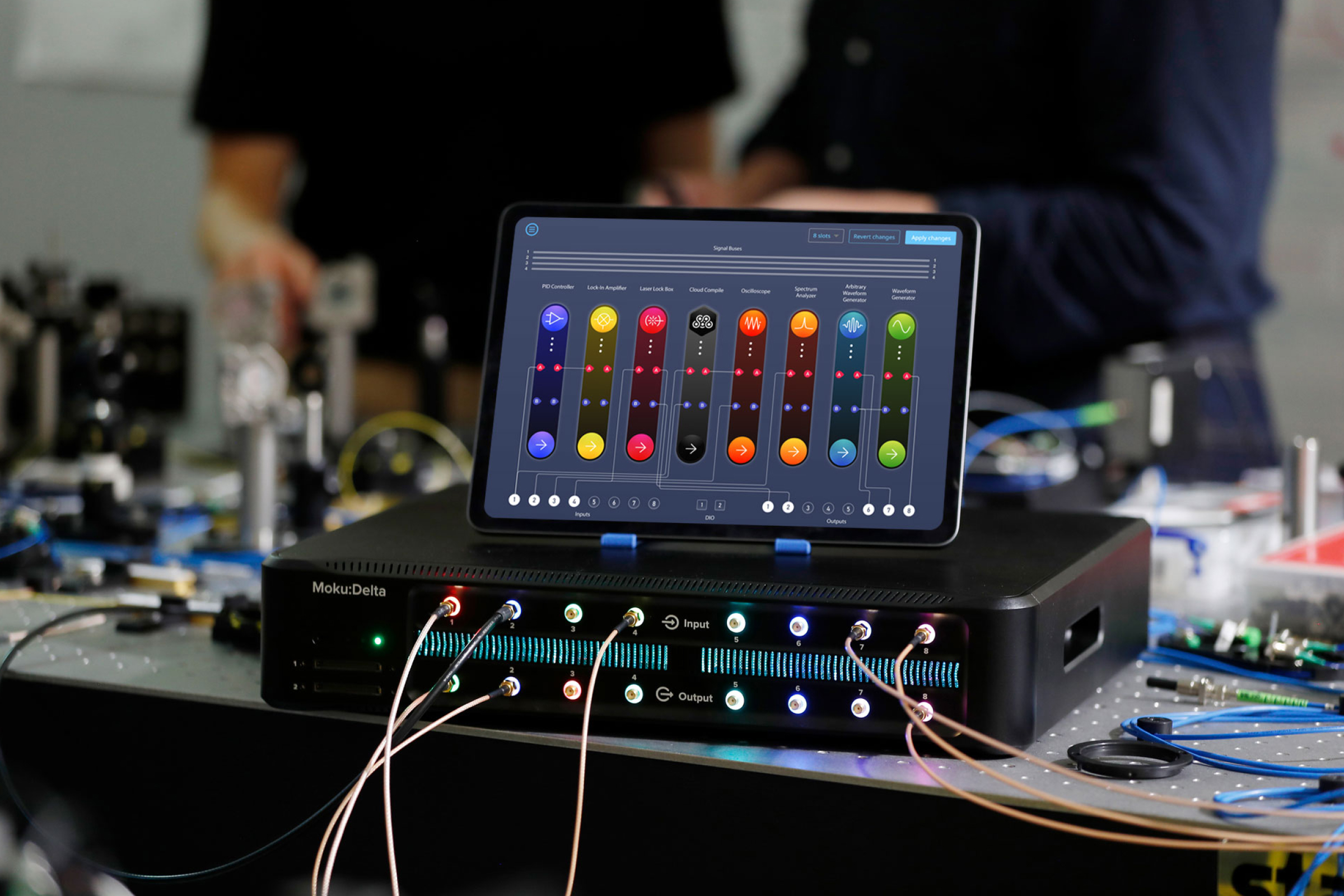
After Moku

Modulate at MHz rates and beyond
More than 120 dB of dynamic reserve supports modulation above the laser’s technical noise while recovering signals six orders of magnitude below the background.

Integrated monitoring
An embedded oscilloscope and data logger display X, Y, R, and θ in real time for phase and filter optimization without additional hardware.

Short time constants
Time constants from 12.8 ns and selectable filter slopes of 6 to 24 dB/octave support high-speed imaging and pump-probe measurements.

Multichannel detection and feedback
Run up to 8 lock-in amplifiers in parallel for multi-wavelength or multichannel experiments, route any output to the embedded PID controller, and automate acquisition through Python, MATLAB, or LabVIEW APIs.
Implementing precision lock-in detection
See how advanced research labs use Moku to perform complex imaging experiments and multi-channel lock-in detection.
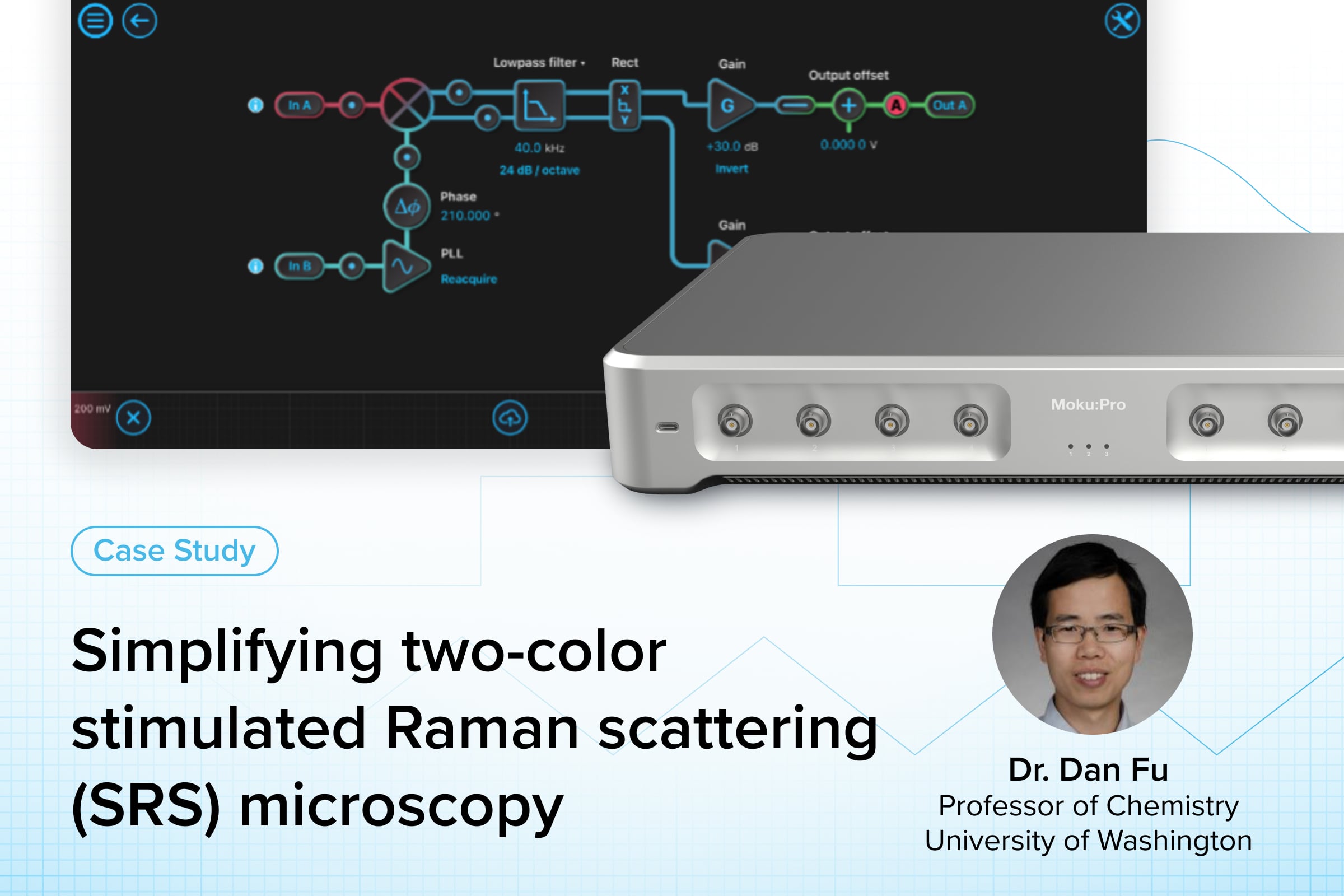
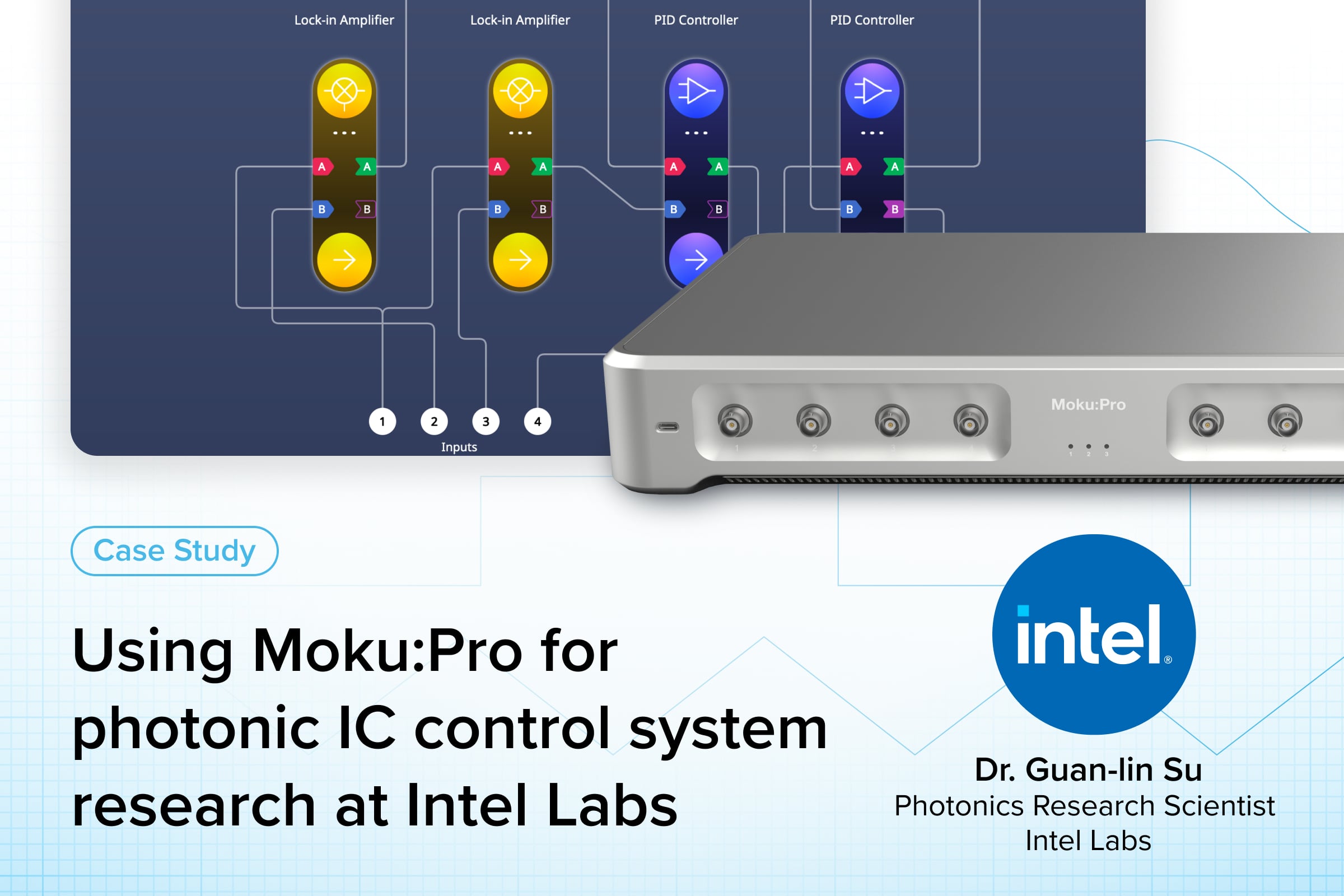
Go deeper
Learn how to configure, evaluate, and optimize phase-sensitive detection experiments with the Moku Lock-in Amplifier.

The Lock-in Amplifier runs on every Moku platform.
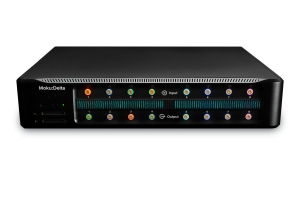
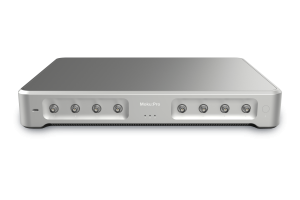
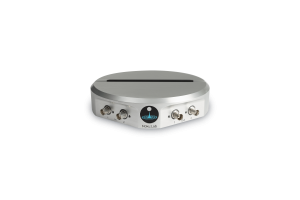
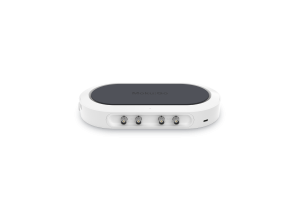
Start on Moku:Go for benchtop experiments, scale to Moku:Pro for demanding R&D, or step up to Moku:Delta for the highest bandwidth and channel count. The same Lock-in Amplifier, PID Controller, and full instrument library run on all three.
Phasemeter device specifications
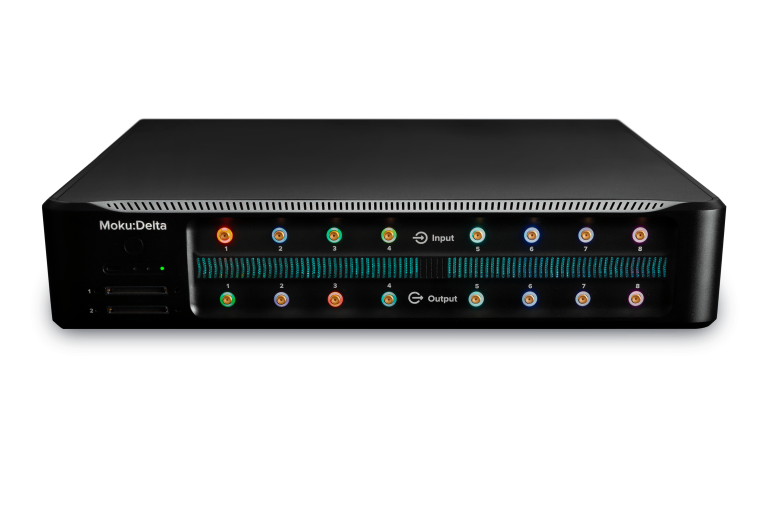
Moku:Delta |
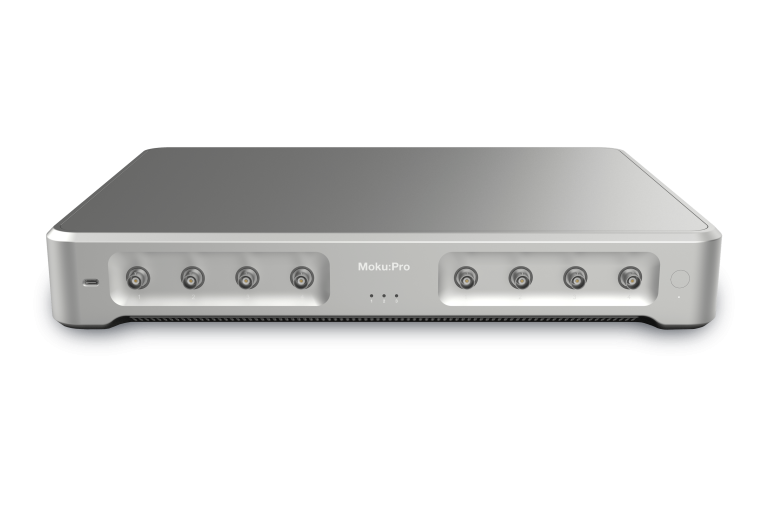
Moku:Pro |
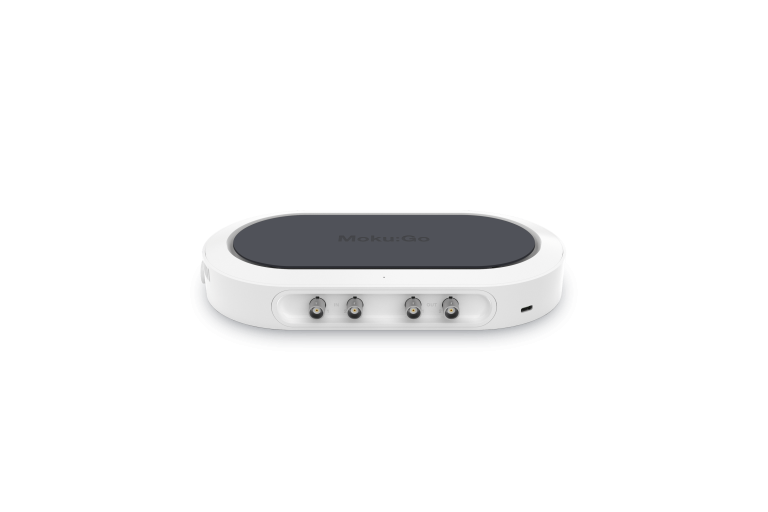
Moku:Go | |||||||||||||
|---|---|---|---|---|---|---|---|---|---|---|---|---|---|---|---|
| Learn more | Learn more | Learn more | |||||||||||||
Moku:Delta |
Moku:Pro |
Moku:Go | |||||||||||||
| Learn more | Learn more | Learn more | |||||||||||||
| Technical specifications | |||||||||||||||
| Demodulation frequency | 1 mHz to 2 GHz | 1 mHz to 600 MHz | 1 mHz to 30 MHz | ||||||||||||
| Dynamic reserve | > 120 dB | > 120 dB | > 100 dB | ||||||||||||
| Filter slopes | 6, 12, 18, 24 dB/oct | 6, 12, 18, 24 dB/oct | 6, 12, 18, 24 dB/oct | ||||||||||||
| Time constant | 12.8 ns | 12.8 ns | 128 ns to 2.15 s | ||||||||||||
| Input noise | < 10 nV/√Hz | 30 nV/√Hz | N/A | ||||||||||||
The Lock-in Amplifier is one of sixteen instruments on the same platform.
Moku doesn’t stop at lock-in detection. The same FPGA-based platform reconfigures into an oscilloscope, spectrum analyzer, PID controller, arbitrary waveform generator, and more. On Moku:Delta, run up to eight instruments simultaneously across more than 2 billion possible test configurations.

















Generator


Response Analyzer














Ready to make precision measurements with a high-performance Lock-in Amplifier?
Talk to one of our expert application engineers- not a salesperson- and see how Moku maps to your lab.